Home → Whale watching & fishing
Whale watching & fishing from Maalaea
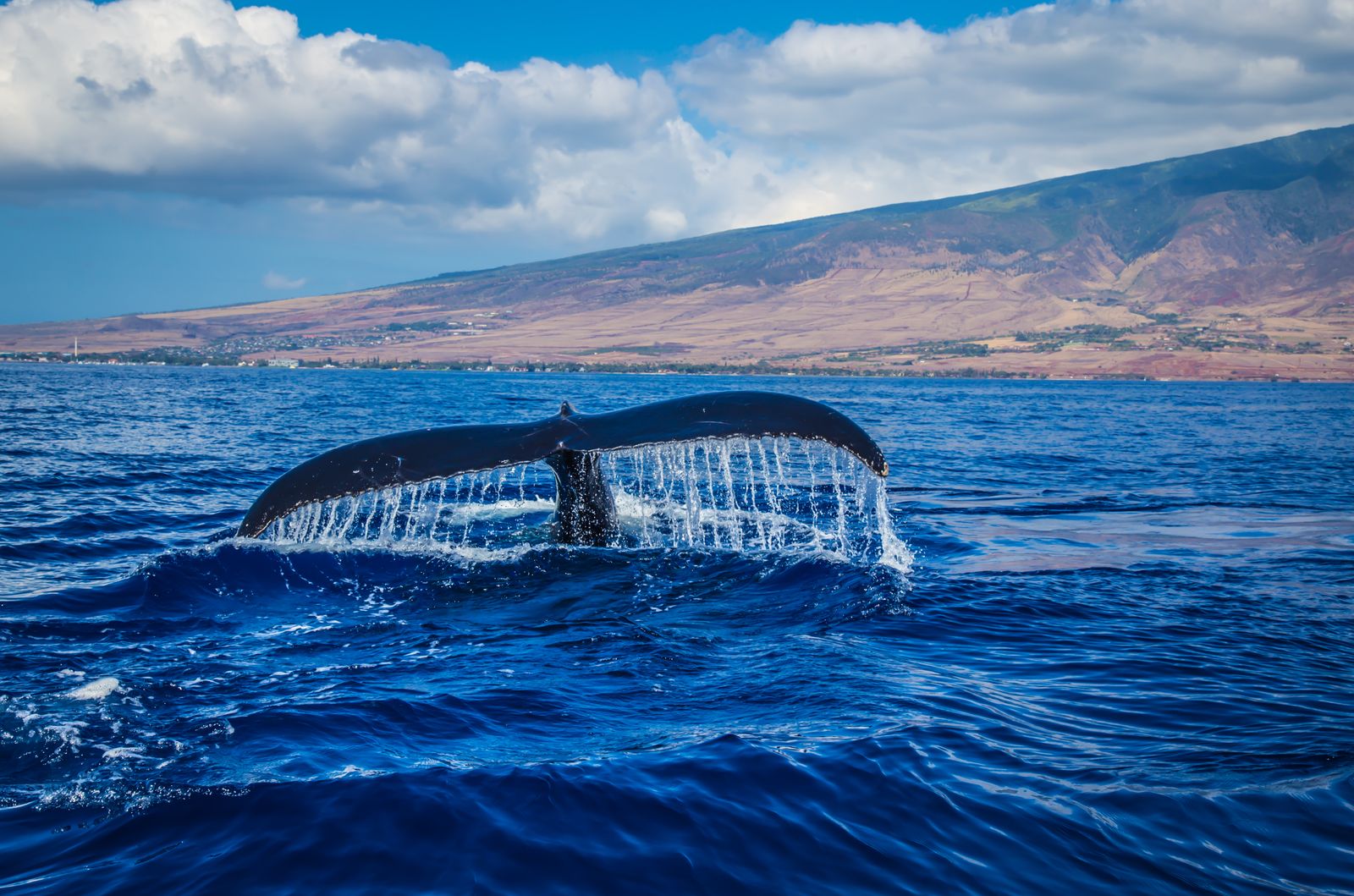
Every winter, thousands of humpback whales come home to the sheltered water between Maui, Molokai, and Lanai — and Maalaea Bay sits squarely in the middle of it, inside the Hawaiian Islands Humpback Whale National Marine Sanctuary. The harbor's fleet turns toward the whales all season. And when the whales leave, the fishing boats at the same slips keep working. This page covers both trades.
The bay is the show
Start with what's free: in season — roughly December through April, peaking January to March — you can watch whales from Sugar Beach, from the harbor breakwater, and from a Hauoli Street lanai, coffee in hand. Spouts at breakfast, breaches while the boats load. The paid version buys you proximity and narration: out on the water you're at eye level with forty-ton animals, listening to the males sing through a hydrophone, with a naturalist explaining what a tail slap, a spyhop, and a mother-calf pair are actually doing. Federal rules keep boats at a respectful distance; the whales, famously, sometimes close it themselves. No operator can promise a breach — anyone who does is selling you something — but in peak season, a trip without whales is rare enough that the harbor's boats guarantee it.
Our picks, and how we pick them
These are the trips we can verify — the operator, the boat, and the check-in point all check out. We may earn a commission when you book through these links (see our disclosure); prices and schedules are the operator's and can change, so confirm the details on the booking page.
Pacific Whale Foundation — Whale Watching from Maalaea Harbor (2 hours, seasonal)
The educational flagship of the harbor. The Foundation has run whale research and education out of Maalaea for decades, and its watches are led by certified marine naturalists who read the bay the way other guides read a script — expect real interpretation: behavior, song, the calf learning to breach. The boats are the harbor's larger hulls, which trades intimacy for stability and room to move, and there's a Jr. Naturalist program for kids. If you want to come home understanding whales rather than just having seen them, this is the watch to book.
Check dates & prices on Viator →Quicksilver — Whale Watch Aboard the Quicksilver Catamaran (2 hours, seasonal)
The lively alternative: a fast, double-deck power catamaran with an open top deck made for whale watching, a shaded cabin below when the trades pick up, and a captain-and-crew commentary style that's more harbor tour than lecture hall. It runs multiple departures a day in season at the harbor's friendlier price points, and kids ride cheap or free depending on age — check the current terms. If the Foundation's watch is the seminar, this is the field trip; plenty of visitors happily do both.
Check dates & prices on Viator →Fishing: the harbor's other fleet
Maalaea's slips also hold a working fleet of charter fishing boats, and they run all year — whale season just gives the ride out a floor show. The local specialties are two: bottom fishing over the reefs and ledges off South Maui (snappers, trevally, groupers, and other table fish, on gear the crew sets up for you — the family-friendly, catch-your-dinner trip), and sportfishing trolling the open water for mahi mahi, ono, and ahi. Shared boats keep the price sane; private charters buy the deck.
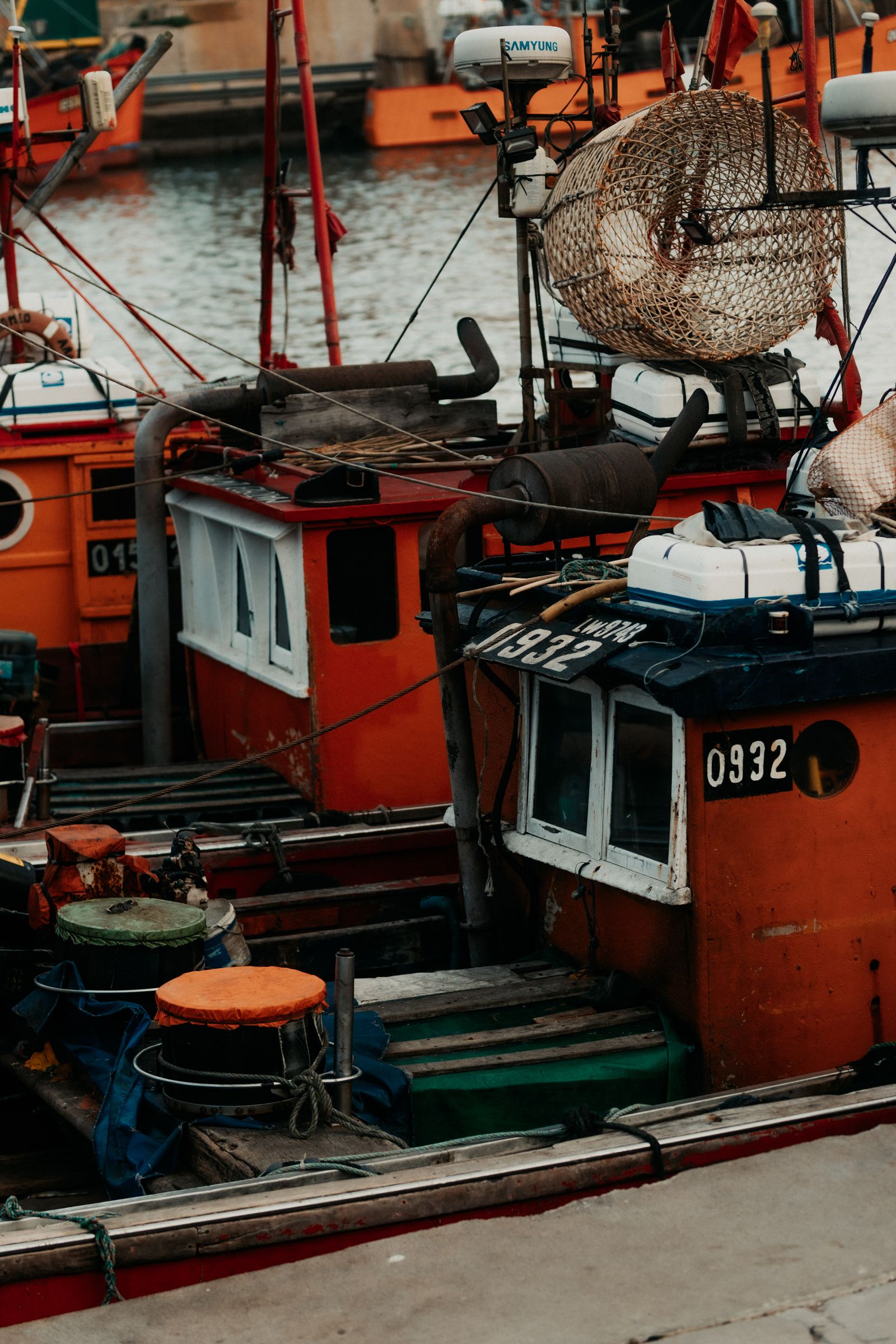
Two names to start with at the slips: Strike Zone (Slip 40), a 43-foot sportfisher running shared and private trips that combine trolling with bottom fishing — the one-boat answer if your group can't decide — and Aloha Blue Charters (Slip 37), specialists in the four-hour bottom-fishing run, beginners welcome and keep what you catch. We don't take commissions on either; book them direct, and confirm the details when you do, because the fine print varies by boat:
- License rules differ by operator. Some charters cover fishing licenses; others require Hawaii's nonresident recreational marine fishing license for anglers 15 and older, bought online before the trip. Ask at booking, not at the dock.
- Shared boats need a minimum — typically a half-dozen anglers — before a trip confirms. Book a date that already has anglers on it when you can.
- What happens to the catch is the crew's call and the boat's policy: bottom-fishing boats generally clean and share the catch; sportfishing boats vary. Ask before you dream about the grill.
- Morning departures, again. Fishing check-ins are early for the same reason the snorkel boats leave early — the calm water is in the morning, and the wind owns the afternoon.
One harbor, two seasons: from about May through November the whale boats turn back into snorkel and sunset boats (see the snorkeling page), and the fishing never stops. If you're visiting outside whale season, the sunset sail on our events page is the evening version of this page's water.